








Toxicology Litigation Support
Alcohol, DWI, DUI, DramShop
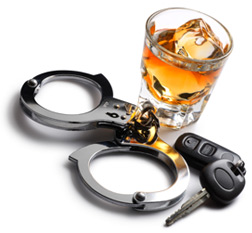
Dr. Parent has participated in DWI cases from all perspectives. He has provided testimony on the incapacitating effects of alcohol from the plaintiff’s viewpoint, and from the perspective of the defense he has provided alternative explanations for faulty breathalyzer and blood alcohol determinations. Dr. Parent’s background in chemistry and, in particular with GC/MS analyses, provides him with a unique perspective relating to the analytical aspects of breath and blood analyses. He is a Certified Breathalyzer Technician, and on many occasions he has discovered flaws in the analytical methodologies used in both breath and blood alcohol determinations. Where appropriate, he provides retrograde calculations which can shed insight into blood alcohol levels at critical times. In some previous cases he has found alternative causes of elevated blood alcohol such as diabetes as well as alternative causes of accidents other than blood alcohol content. He has given testimony in several DramShop cases and has provided defense testimony for many driver’s accused of being intoxicated. Selected references are provided below.
Selected References
Aberg, L., Behaviors and opinions of Swedish drivers before and after the 0.02 legal BAC limit of 1990. In: Alcohol, Drugs and Traffic Safety. Utzelman, H. D., Berghaus, G. and Kroj, G. (eds). TUV Rheinland, Cologne, 1266-1270 (1993).
Attwood, D. A., Williams, R. D. and Madill, H. D., Effects of moderate blood
alcohol concentrations on closed-course driving performance. Journal of
Studies on Alcohol, 41(7), 623-624 (1980).
Bendtsen, P., Hultberg, J., Carlsson, M., Jones, A. W., Monitoring ethanol exposure in a clinical setting by analysis of blood, breath, saliva, and urine. Alcoholism-Clinical and Experimental Research, 23(9), 1446-1451 (1999).
Berlin, I., Cournot, A., Zimmer, R., Pedarriosse, A. M., Manfredi, R., Molinier, P. and Puech, A. J. Evaluation and comparison of the interaction between alcohol and moclobemide or clomipramine in healthy subjects. Psychopharmacology, 100(1), 40-45 (1990).
Bogen, E., The human toxicology of alcohol. Chapter 6. In: Alcohol and Man. Emerson, H (ed). The McMillan Company, NY, NY, 126-152 (1932).
Jones, A. W. and Ppounder, D. J., Measuring blood alcohol concentration for clinical and forensic purposes. In: Drug Abuse Handbook. Karch, S. B. (ed). CRC Press, Boca Raton, FL, 341 (1998).
Brewer, N. AND Sandow, B., Alcohol effects on driver performance under conditions of divided attention. Ergonomics, 23(3), 185-190 (1980).
Brooks, C. and Zaal, D., Effects of a reduced alcohol limit for driving. In: Alcohol, Drugs and Traffic Safety. Utzelman, H. D., Berghaus, G. and Kroj, G. (eds). TUV Rheinland, Cologne, 1277-1232 (1993).
Caplan, Y. H. and Levine, B., The analysis of ethanol in serum, blood, and urine: a comparison of the TDx REA ethanol assay with gas chromatography. Journal of Analytical Toxicology, 10(2), 49-52 (1986).
Centers for Disease Control and Prevention (CDC), Point-of-purchase alcohol marketing and promotion by store type--United States, 2000-2001. Morbidity and Mortallity Weekly Report, 52(14), 310-313 (2003).
Charlebois, R. C., Corbett, M. R. and Wigmore, J. G., Comparison of ethanol concentrations in blood, serum, and blood cells for forensic application. Journal of Analytical Toxicology, 20(3), 171-178 (1996).
Clothier, J., Kelley, J. T., Reed, K. and Reilly, E. L., Varying rates of alcohol metabolism in relation to detoxification medication. Alcohol, 2(3), 443-445 (1985).
Coldwell, B. B. and Grant, G. L., A study of some factors affecting the accuracy of the Breathalyzer. Journal of Forensic Sciences, 8, 149-162 (1963).
Davis, A. R. and Lipson, A. H., Central nervous system tolerance to high blood alcohol levels. Medical Journal of Australia, 144(1), 9-12 (1986).
Davis, A. R. and Lipson, A. H., Central-nervous-system depression and high blood ethanol levels. Lancet, 1(8480), 566 (1986).
Donovan, J. E., Estimated blood alcohol concentrations for child and adolescent drinking and their implications for screening instruments. Pediatrics, 123(6), e975-e981 (2009).
Dubowski, K. M., Alcohol determination in the clinical laboratory. American Journal of Clinical Pathology, 74, 747-750 (1980).
Dubowski, K. M., Biological aspects of breath alcohol analysis. Clinical Chemistry, 20, 294-299 (1974).
Dubowski, K. M. and Essary, N. A., Response of breath alcohol analyzers to
acetone. Journal of Analytical Toxicology, 7, 231-234
(1983).
Dubowski, K. M. and Essary, N. A., Response of breath alcohol analyzers to
acetone. Further studies. Journal of Analytical Toxicology, 8,
205-208 (1984).
Elder, R. W., Shults, R. A., Swahn, M. H., Strife, B. J., Ryan, G. W., Alcohol-related emergency department visits among people ages 13 to 25 years. Journal of Studies on Alcohol, 65(3), 297-300 (2004).
Fell, J. C., Fisher, D. A., Voas, R. B., Blackman, K. and Tippetts, A. S., The relationship of underage drinking laws to reductions in drinking drivers in fatal crashes in the United States. Accident Analysis and Prevention, 40(4), 1430-1440 (2008).
Fell, J. C., Fisher, D. A., Voas, R. B., Blackman, K. and Tippetts, A. S., The impact of underage drinking laws on alcohol-related fatal crashes of young drivers. Alcoholism-Clinical and Experimental Research, 33(7), 1208-1219 (2009).
Ferrara, S. D., Zancaner, S. and Giorgetti, R., Low blood alcohol concentrations and driving impairment. A review of experimental studies and international legislation. International Journal of Legal Medicine, 106(4), 169-177 (1994).
Flanagan, N. G., Strike, P. W., Rigby, C. J. and Lochridge, G. K. The effects of low doses of alcohol on driving performance. Medicine Science and the Law, 23(3), 203-208 (1983).
Flores, A. L. and Frank, J. F., The likelihood of acetone interference in breath alcohol measurement., US Department of Transportation Technical Report HS 806-922 (1985).
Forney, R. B. and Harger, R. N., The alcohols. In: Drill's Pharmacology in Medicine. Fourth Edition. DiPalma, J. R. (ed). McGraw-Hill Book Company, 275-302 (1971).
Gabrielli, Jr., W. F., Nagoshi, C. T., Rhea, S. A. and Wilson, J. R. Anticipated and subjective sensitivities to alcohol. Journal of Studies on Alcohol, 52(3), 205-214 (1991). [CTX-001775]
Grunbaum, J. A., Kann, L., Kinchen, S. A., Williams, B., Ross, J. G., Lowry, R. and Kolbe, L., Youth risk behavior surveillance--United States, 2001. Morbidity and Mortallity Weekly Report Surveillance Summary, 51(4), 1-62 (2002).
Gruner, O., The distribution of alcohol in the blood. Deutsche Zeitschrift fur die Gesamte Gerichtliche Medizin, 46, 10 (1957).
Gustin, J. L. and Simons, J. S., Perceptions of level of intoxication and risk related to drinking and driving. Addictive Behaviors, 33(4), 605-615 (2008).
Hain, J. R., Ryan, D. M. and Spitz, W. U., Fatal accidents and blood ethanol
levels in adolescents and adults. The Wayne County experience, 1978-1988. American
Journal of Forensic Medicine and Pathology, 10(3), 187-192
(1989).
Hindmarch, I., Starmer, G. A., Mascord, D. J., Kerr, J. S. and Sherwood, N.
The effects of alcohol on the cognitive function of males and females and
on skills related to car driving. Human Psychopharmacology, 2,
105-114 (1992).
Hingson, R., Heeren, T. and Winter, M. Lower legal blood alcohol limits for young drivers. Public Health Reports, 109(6), 738-744 (1994).
Hingson, R., McGovern, T., Howland, J., Heeren, T., Winter, M. and Zakocs, R., Reducing alcohol-impaired driving in Massachusetts: the Saving Lives Program. American Journal of Public Health, 86(6), 791-797 (1996).
Hunt, W. A. and Witt, E. D., Behavioral effects of alcohol ingestion: implications for drug testing. Toxic Substances Journal, 13, 41-49 (1994).
Huntley, M. S. and Centybear, T. M., Alcohol, sleep deprivation, and driving speed effects upon control use during driving. Human Factors, 16(1), 19-28 (1974).
Illchmann-Christ, A., Research on the relation of blood clot-total blood (serum) alcohol values. With a contribution to the conversion of serum alcohol to total blood concentrations. Deutsche Zeitschrift fur die Gesamte Gerichtliche Medizin, 49, 113-129 (1959).
Isbell, H., Fraser, H. F., Wikler, A., Belleville, R. E. and Eisenman, A. J., An experimental study of the etiology of rum fits and delirium treatments. Quarterly Journal of Studies on Alcohol, 16, 1-33 (1955).
Jones, A. W. and Neri, A., Age-related differences in blood ethanol parameters and subjective feelings of intoxication in healthy men. Alcohol Alcohol, 20(1), 45-52 (1985).
Jones, A. W., Inter-individual variations in diposition and metabolism of ethanol in healthy men. Alcohol, 1, 393-396 (1984).
Jones, A. W., Interindividual variations in the disposition and metabolism of ethanol in healthy men. Alcohol, 1, 385-391 (1984).
Jones, A. W., Hahn, R. G. and Stalberg, H. P., Pharmacokinetics of ethanol in plasma and whole blood estimation of total body water by the dilution principle. European Journal of Clinical Pharmacology, 42, 445-448 (1992).
Jones, A. W., Disappearance rate of ethanol from the blood of human subjects: implications in forensic toxicology. Journal of Forensic Sciences, 38(1), 104-118 (1993).
Jones, A. W., Erattum: Disappearance rate of ethanol from the blood of human subjects: implications in forensic toxicology. Journal of Forensic Sciences, 39(2), 591 (1994).
Jones, A. W., Hahn, R. G. and Stalberg, H. P., Distribution of ethanol and water between plasma and whole blood; inter- and intra-individual variations after administration of ethanol by intravenous infusion. Scandanavian Journal of Clinical and Laboratory Investigation, 50(7), 775-770 (1990).
Jones, A. W., Jorfeldt, L., Hjertberg, H. and Jonsson, K. A., Physiological variations in blood ethanol measurements during the post-absorptive state. Journal of the Forensic Science Society, 30(5), 273-283 (1990).
Jones, A. W. and Andersson, L., Variability of the blood/breath alcohol ratio in drinking drivers. Journal of Forensic Sciences, 41(6), 916-921 (1996).
Kurt, T. L., Serum alcohol is not the same as blood alcohol concentration. Annals of Emergency Medicine, 25(3), 430-431 (1995).
Laberg, J. C. and Loberg, T., Expectancy and tolerance: a study of acute alcohol intoxication using the balanced placebo design. Journal of Studies on Alcohol, 50(5), 448-455 (1989).
Lacey, J. H., Jones, R. K. and Wiliszowski, C. H., Zero tolerance for youth: Four sates’ experience. US Department of Transportation (US DOT), HS-809-053, NHTSA, Washington, DC (2000).
Lester, D., The concentration of apparent endogenous ethanol. Quarterly Journal of Studies on Alcohol, 23, 17-25 (1962).
Linnoila, M., Seppala, T. and Mattila, M. J., Acute effect of antipyretic analgesics, alone or in combination with alcohol, on human psychomotor skills related to driving. British Journal of Clinical Pharmacology, 1, 477-484 (1974).
Lutze, J. and Schacher, E., Zur reaktionszeit bei niedrigen blutalkoholwerten. Blutalkohol, 16, 49-58 (1979).
Markel, E., Nyakas, C., Tal, E. and Endroczi, E., Changes in avoidance behaviour following ethanol treatment in rats of different ages. Acta Physiologica Hungarica, 68(2), 175-181 (1986).
Martens, C. H., Ross, L. E. and Mundt, J. C., Young drivers' evaluation of driving impairment due to alcohol. Accident Analysis and Prevention, 23(1), 67-76 (1991).
Martin, C. S. and Moss, H. B., Measurement of acute tolerance to alcohol in human subjects. Alcoholism-Clinical and Experimental Research, 17(2), 211-216 (1993).
Mendelson, J. H. and Mello, N. K., Experimental analysis of drinking behavior of chronic alcoholics. Annals of the New York Academy of Sciences, 133, 828-845 (1966).
Mirsky, I. A., Piker, P., Rosenbaum, M. and Lederer, H., Adaptation of the central nervous system to varying concentrations of alcohol in the blood. Quarterly Journal of Studies on Alcohol, 2, 35-45 (1941).
Mongrain, S. and Standing, L., Impairment of cognition, risk-taking, and self-perception by alcohol. Perception and Motor Skills, 69, 199-210 (1989).
Moskowitz, H., Burns, M. M. and Williams, A. F., Skills performance at low blood alcohol levels. Journal of Studies on Alcohol, 46, 482-485 (1985).
Nagoshi, C. T. and Wilson, J. R., Long-term repeatability of human alcohol metabolism, sensitivity and acute tolerance. Journal of Studies on Alcohol, 50(2), 162-169 (1989).
National Institute on Alcohol Abuse and Alcoholism (NIAAA), Alcohol and transportation safety. National Institute on Alcohol Abuse and Alcoholism (NIAAA), Alcohol Alert No. 52, Rockville, Maryland (2001).
O'Malley, P. M., Johnston, L. D. and Bachman, J. G., Alcohol use among adolescents. Alcohol Health and Research World, 22(2), 85-93 (1998).
O'Malley, S. S. and Maisto, S. A., Effects of family drinking history and expectancies on responses to alcohol in men. Journal of Studies on Alcohol, 46(4), 289-297 (1985).
Payne, J. P., Hill, D. W. and Wood, D. G., Distribution of ethanol between plasma and erythrocytes in whole blood. Nature, 217(132), 963-964 (1968).
Peck, R. C., Gebers, M. A., Voas, R. B. and Romano, E., The relationship between blood alcohol concentration (BAC), age, and crash risk. Journal of Safety Research, 39(3), 311-319 (2008).
Pendelton, O. J., In: Medicolegal Aspects of Alcohol. Third Edition. Garriot, J. C. (ed). Lawyers and Judges Publishing Company, Boca Raton, FL, 274 (1996).
Perper, J. A., Twerski, A., Wienand, J. W., Tolerance at high blood concentrations: a study of 110 cases and review of the literature. Journal of Forensic Sciences, 31, 212-221 (1986).
Rainey, P. M., Relation between serum and whole-blood ethanol concentrations. Clinical Chemistry, 11(Pt 1), 2288-2292 (1993).
Schwar, T. G., In: Alcohol Drugs and Road Traffic. Cooper, W. E., Schwar, T. G. and Smith, L. S. (eds). Juta & Co., Capetown, South Africa (1979).
Spear, L. P. and Varlinskaya, E. I., Adolescence. Alcohol sensitivity, tolerance, and intake. Recent Developments in Alcoholism, 17, 143-159 (2005).
Spear, L. P., The adolescent brain and the college drinker: biological basis of propensity to use and misuse alcohol. Journal of Studies on Alcohol, 63(2), 71-81 (2002).
Stroufe, L. A. and Rutter, M., The domain of developmental psychopathology. Child Development, 55, 17-29 (1984).
US Department of Health and Human Services (US DHHS), Eighth Special Report to the U.S. Congress on Alcohol and Health. US Department of Health and Human Services (US DHHS), Public Health Service, National Institutes of Health, National Institute on Alcohol Abuse and Alcoholism, 369 pages, September (1993).
Vingilis, E., Wasylyk, N., Blefgen, H. and Shamai, S., The Ontario 12-hour administrative licence suspension law against drinking-drivers; the Ontario provincial police assessment of offence and driver’s characteristics. Journal of Traffic Medicine, 21, 59-64 (1993).
Wagner, J. G., Wilkinson, P. K., Sedman, A. J., Kay, D. R. and Weidler, D. J., Elimination of alcohol from human blood. Journal of Pharmaceutical Sciences, 65, 152-154 (1976).
Wang, M. Q., Nicholson, M. E., Jones, C. S., Fitzhugh, E. C. and Westerfield, C. R., Acute alcohol intoxication, body composition, and pharmacokinetics. Pharmacology Biochemistry and Behavior, 43(2), 641-643 (1992).
Warrington, S. J., Ankier, S. I. and Turner, P., An evaluation of possible interactions between ethanol and trazodone or amitriptyline. British Journal of Clinical Pharmacology, 18(4), 549-557 (1984).
Watson, P. E., Watson, I. D. and Batt, R. D., Prediction of blood alcohol concentrations in humans subjects. Updating the Widmark Equation. Journal of Studies on Alcohol, 42(7), 547-556 (1981).
Winek, C. L. and Carfagna, M., Comparison of plasma, serum, and whole blood ethanol concentrations. Journal of Analytical Toxicology, 11(6), 267-268 (1987).
Winek, C. L., Murphy, K. L. and Winek, T. A., The unreliability of using a urine ethanol concentration to predict a blood ethanol concentration. Forensic Science International, 25(4), 277-281 (1984).
Wurst, F. M., Alexson, S., Wolfersdorf, M., Bechtel, G., Forster, S., Alling, C., Aradttir, S., Jachau, K., Huber, P., Allen, J. P., Auwrter, V. and Pragst, F., Concentration of fatty acid ethyl esters in hair of alcoholics: comparison to other biological state markers and self reported-ethanol intake. Alcohol and Alcoholism, 39(1), 33-38 (2004). [CTX-039930]
Yi, H., Williams, G. D. and Dufour, M. C., Trends in alcohol-related fatal crashes, United States, 1979-1999. National Institute on Alcohol Abuse and Alcoholism (NIAAA), Surveillance Report No. 56, Bethesda, Maryland (2001).
Young, S. E., Corley, R. P., Stallings, M. C., Rhee, S. H., Crowley, T. J. and Hewitt, J. K., Substance use, abuse and dependence in adolescence: prevalence, symptom profiles and correlates. Drug and Alcohol Dependence, 68(3), 309-322 (2002).
Zador, P. L., Alcohol-related relative risk of fatal driver injuries in relation to driver age and sex. Journal of Studies on Alcohol, 52(4), 302-310 (1991).
Zador, P. L., Krawchuk, S. A. and Voas, R. B., Alcohol-related relative risk of driver fatalities and driver involvement in fatal crashes in relation to driver age and gender: an update using 1996 data. Journal of Studies on Alcohol, 61(3), 387-395 (2000).

Causation Reports
- Benzene
- Carbon Monoxide - NEW
- Chlorine Letter Report - NEW
- Ephedrine
- Hexavalent Chromium - NEW
- Lead - NEW
- Lindane
- Manganese and Welding Fumes
- Marijuana Letter Report - NEW
- Methadone
- Methotrexate Letter Report - NEW
- Ozone - NEW
- Sulfur Dioxide - NEW
- Vinyl Chloride
- Vioxx
Toxicology Notes and Literature
- Alcohol Notes
- Arsenic References
- Cocaine References
- Carbon Monoxide Notes
- Creosote Notes
- Diesel Fumes
- Dramshop Blurb
- Marijuana References
- Ozone Blurb
Toxicology Litigation Support
- Class Action & Toxic Tort
- Expert Witness & Trial Support
- Insurance Defense & Workers Compensation
- Chinese Dry Wall & Slide Presentation
- Causation Slide Presentation
- Structuring an Expert Report Slide Presentation
- 1,4 - Dioxane
- Alcohol
- Arsenic
- Baycol
- Cocaine
- Creosote
- Diesel Fumes
- Fentanyl
- Formaldehyde
- Marijuana
- Oil Spills
- PCBs and Dioxins
- Perchloroethylene, Trichlorothylene and Chlorinated Hydrocarbons
- Phenylpropanolamine (PPA)
- Zyprexa